
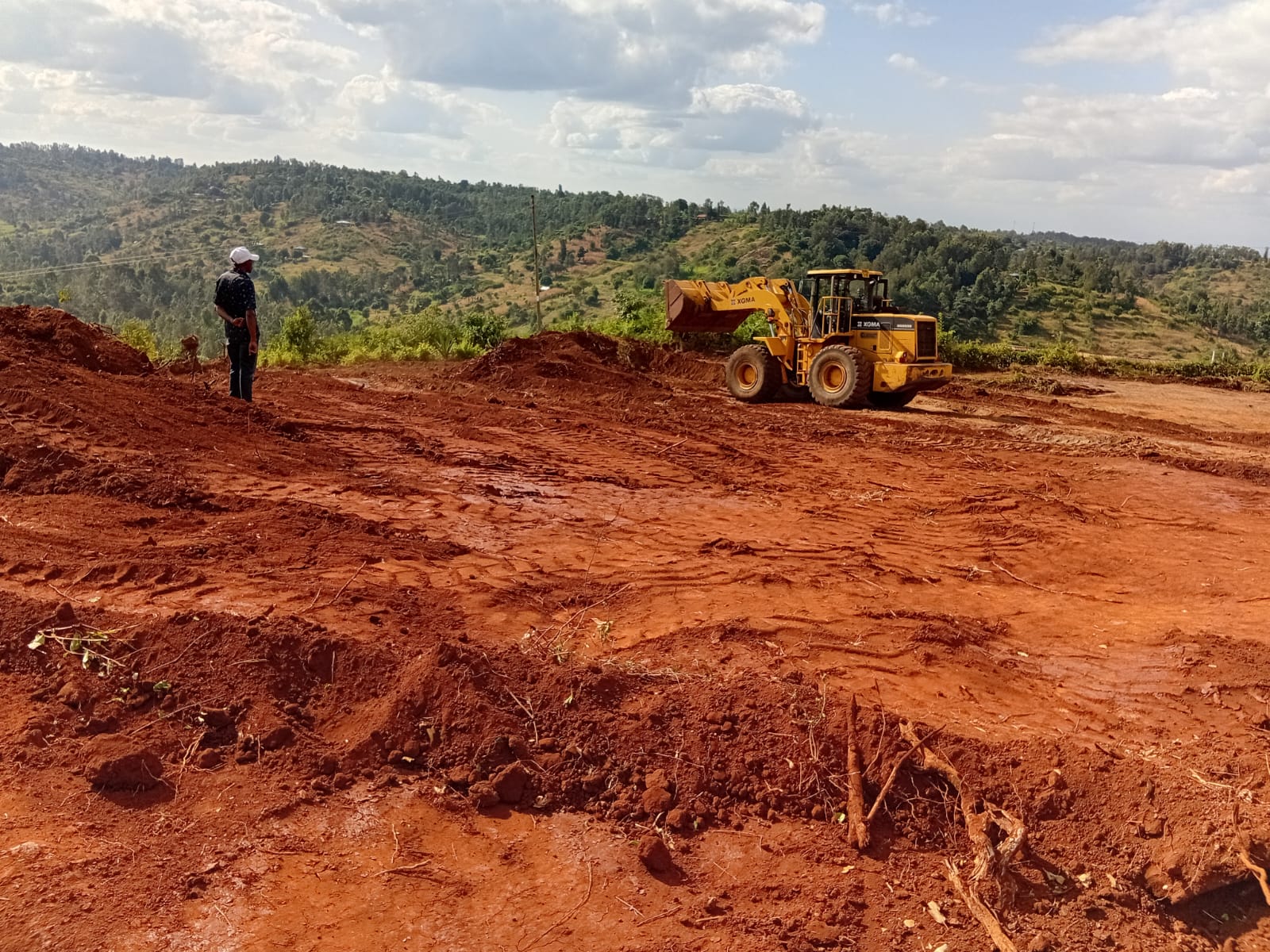
Buying your first plot is an exciting milestone. Whether you want to build a home, establish a business or purchase land for future use, choosing the right property starts with careful preparation.
An attractive price and appealing photographs are only part of the picture. You also need to understand the land’s ownership, physical condition, permitted use and total purchase cost.
This guide explains what to consider before buying your first plot in Kenya so you can approach the process with clear priorities and the right questions.
1. Decide What You Want to Do With the Land
Before comparing plots, define your purpose. Are you planning to build immediately, develop gradually or hold the land for future use?
Your answer will help you assess the location, size and infrastructure you need.
For a residential plot, consider access to work, schools, healthcare, shops and public transport. For business premises, think about customer access and whether your proposed activity is permitted.
If you are purchasing for investment, assess current demand, comparable prices and realistic development prospects. Avoid relying on promises of guaranteed appreciation or quick resale.
2. Assess the Location Beyond the Advertised Address
A plot may be described as “near town” or “a few minutes from the highway,” but you should confirm what that means on the ground.
When comparing plots in areas such as Kenol, Thika, Murang’a or Kiambu County, look at the exact location rather than relying on the town name alone.
Consider:
- The distance and actual travel time to the main road.
- Road conditions during wet weather.
- Nearby schools, hospitals, markets and workplaces.
- Surrounding development and neighbouring land uses.
- Noise, security and the general character of the area.
Visit at a time that reflects how you will use the property. A quiet weekend visit may give a different impression from a weekday commute.
3. Verify Ownership Through an Official Land Search
Before committing funds, arrange an official land search through the relevant government channel.
An official search helps confirm the registered owner and identifies registered interests such as charges, cautions or restrictions. Kenya’s State Department for Lands identifies the search certificate as an essential part of due diligence before a land transaction.
Ask an independent advocate to review the search results alongside the title and the seller’s identification documents. Where a company or representative is selling, have the advocate verify their authority to transact.
An official search is an important check, but it should be considered together with the seller’s authority, survey records and physical inspection.
4. Confirm the Plot Size and Boundaries
Do not assume that the land shown during a site visit is exactly the parcel described in the documents.
For example, if a plot is advertised as 50 × 100 feet, ask a licensed surveyor to confirm its surveyed dimensions, area and boundaries.
The State Department for Lands explains that official survey records can provide information about boundary dimensions, beacons, survey numbers and changes to a parcel’s configuration. These records help verify property boundaries.
If the plot comes from a larger parcel, ask about the subdivision documentation and whether an individual title has been issued. Have your advocate and surveyor verify the relationship between the advertised plot, the mother title and the relevant records.
5. Visit the Plot and Inspect Its Physical Condition
Photographs cannot show everything that may affect your future building plans.
During the visit, examine:
- The slope and general terrain.
- Drainage and signs of flooding or waterlogging.
- Existing occupation, structures or cultivation.
- Visible boundaries and beacons.
- The access route and neighbouring properties.
- Nearby rivers, drainage channels or power infrastructure.
Ask a qualified professional to assess issues that may affect construction, including soil conditions, steep slopes or possible restricted areas.
Where practical, visit after rainfall. This can help you understand drainage and road access more clearly.
6. Check Access, Utilities and Permitted Use
A road beside a plot does not automatically establish a secure right of access. Ask your advocate and surveyor to verify how access is recorded and whether it matches the route shown on the ground.
Also distinguish between services that already exist and improvements that are planned.
Ask:
- Is water available, and what would connection cost?
- Is electricity connected or merely nearby?
- Who is responsible for improving the access road?
- Are promised amenities included in the written agreement?
- Does the current land use allow your intended development?
Confirm planning requirements with the relevant county office before assuming you can build a particular type of home or commercial property.
Some transactions, particularly those involving agricultural land, require Land Control Board consent. Your advocate should establish whether this applies to the plot you intend to purchase.
7. Budget for More Than the Purchase Price
The advertised price should be the starting point for your budget.
Request a written breakdown of the purchase price and clarify which additional expenses you will pay. Depending on the transaction, these may include legal fees, survey work, searches, stamp duty, registration charges and applicable clearances.
Kenya’s government land-transfer guidance includes stages such as an official search, preparation of transfer documents, valuation for stamp duty and registration. Confirm the current requirements and costs for your specific purchase with your advocate.
You should also allow for practical costs after purchase, such as fencing, utility connections, site preparation and building approvals.
A plot that appears cheaper may require more spending before it is ready for use.
8. Understand the Payment Terms Before Paying a Deposit
If you are buying through instalments, review the complete payment schedule before signing.
Clarify:
- The deposit and total purchase price.
- Instalment amounts and due dates.
- Whether interest or administrative charges apply.
- Late-payment penalties.
- Cancellation and refund conditions.
- When possession will be granted.
- When ownership transfer will take place.
- Which costs are included or excluded.
Have an independent advocate review the sale agreement. Important promises—including infrastructure commitments—should appear in the written contract.
Confirm the authorised payment recipient, use a traceable payment method and obtain a receipt for every payment.
9. Know How the Purchase Will Be Completed
Before proceeding, ask for a clear explanation of the steps between signing the agreement and registering the land in your name.
Your agreement should address the documents required, each party’s responsibilities and what happens if completion is delayed.
Keep copies of the agreement, receipts, correspondence, search results and transfer documents. After completion, have your advocate confirm that registration reflects the agreed ownership.
First-Time Plot Buyer’s Checklist
Before committing to a purchase, confirm that you have:
- Defined your intended use and budget.
- Visited the exact plot.
- Verified ownership and the seller’s authority.
- Reviewed the official land search.
- Confirmed boundaries and size with a surveyor.
- Checked subdivision status where applicable.
- Verified access and assessed available utilities.
- Confirmed permitted use and relevant approvals.
- Received a written breakdown of costs.
- Had the agreement and payment terms independently reviewed.
Frequently Asked Questions
What should I check first when buying a plot in Kenya?
Start with your intended use and budget, then verify ownership and the seller’s authority before committing funds. Arrange an official search, inspect the plot and involve an independent advocate and licensed surveyor.
Is a 50 × 100 plot suitable for building a home?
It may be, but suitability depends on the surveyed area, plot shape, access, terrain and planning requirements. Confirm that your proposed house can fit within the applicable development rules before buying.
Can I buy a plot through instalments?
Where the seller offers an instalment plan, check the full price, payment schedule, penalties, refund conditions and transfer arrangements. Have the terms recorded in a reviewed sale agreement.
Should I visit the plot before paying a deposit?
Yes. A physical visit helps you assess the exact location, access, surroundings and condition of the land. It complements professional document and survey checks.
Take the Next Step With Clear Information
Buying your first plot in Kenya is easier to approach when you know what to check and which questions to ask. Take time to inspect the property, verify the documents and understand the full cost before making a commitment.
Considering a plot with Promised Garden Investments Ltd? Explore the options on Our Projects and contact the team to arrange a site visit. Ask for the plot details, purchase terms and supporting documents so you can carry out your independent checks.