
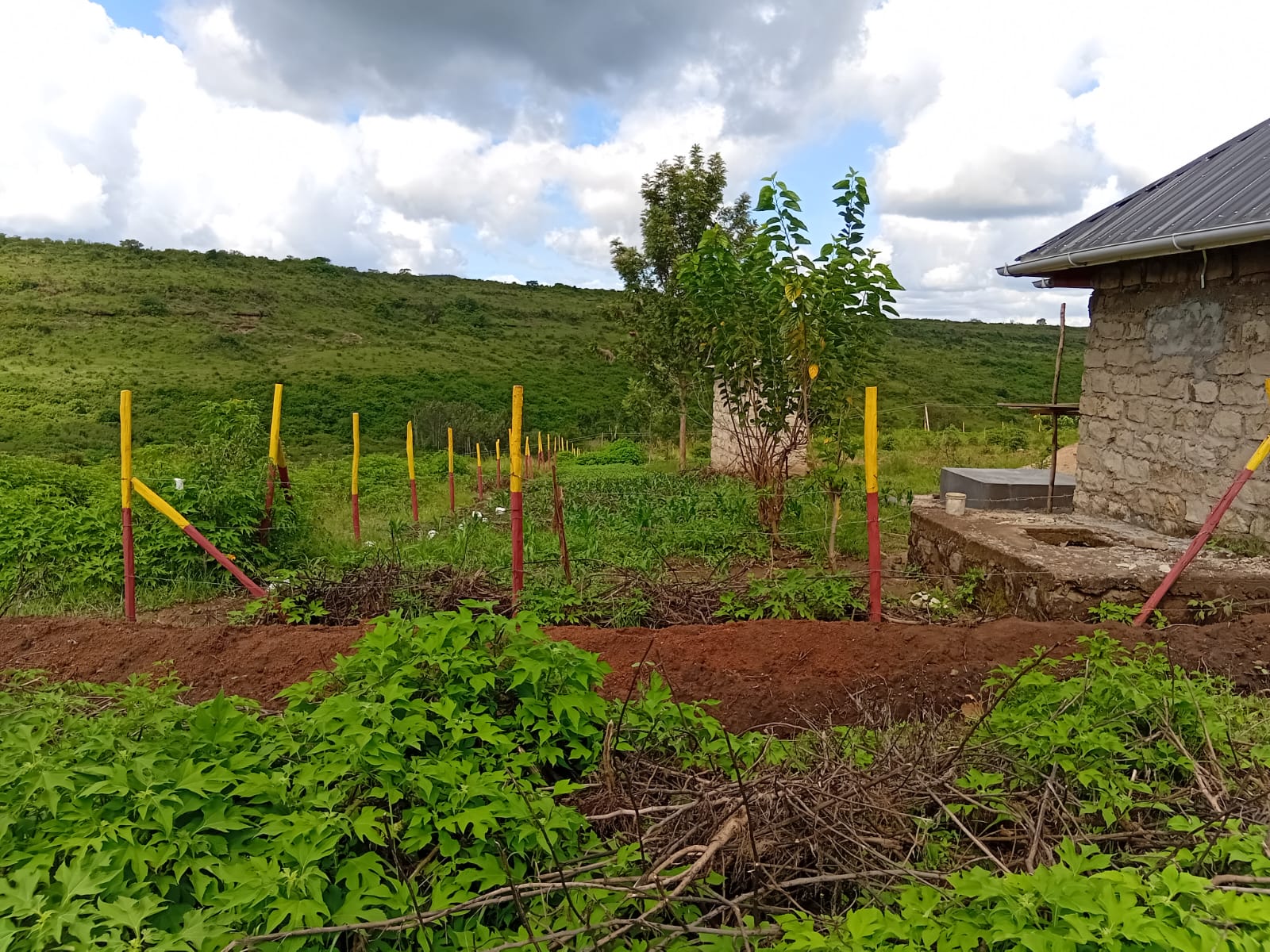
Buying land is one of the most significant financial milestones you can achieve in Kenya. Whether you are looking for an affordable plot to build your family home in Kiambu County, or seeking a long-term investment property in Kenol, Murang’a, owning a piece of earth offers unmatched security.
However, the real estate market can be tricky. To safeguard your hard-earned money, you must ensure that the property you are buying has a legitimate, clean title deed.
At Promised Garden Investment Limited, we believe in absolute transparency. That is why we handle all due diligence for our clients. If you are looking to purchase land anywhere in Kenya, here is the exact step-by-step verification process you must follow before parting with your money.
Step 1: Request a Copy of the Title Deed and Mutation Map
Before doing anything else, ask the land seller or real estate agent to provide a clear photocopy of the Title Deed and the Mutation Map (a document showing the exact dimensions and boundaries of the subdivided plot).
A genuine seller who has nothing to hide will share these documents readily. If a seller makes excuses or hesitates to give you copies for search purposes, treat that as an immediate red flag.
Step 2: Conduct an Official Land Search via Ardhisasa
The Ministry of Lands digitized property records through the Ardhisasa platform. You no longer have to spend days queuing at local land registries.
Step 4: Check for Outstanding Land Rates
- Log into your account on the official Ardhisasa portal.
- Navigate to the land search section and enter the specific Title Number or Parcel Number.
- Pay the official search fee (usually KSh 500) through M-Pesa.
- Download the official Certificate of Land Search.
What to look for on the search certificate:
- The Registered Owner: Does the name match the ID of the person selling you the land? If you are buying from a company like Promised Garden Ltd, the certificate must explicitly show the company’s registered name.
- Encumbrances: Ensure there are no active caveats, court injunctions, or bank charges (loans) attached to the title.
Step 3: Verify the Physical Ground (The Registry Index Map)
A paper search online is not enough. You need to verify that the land exists physically exactly where the paperwork says it does.
Take the Registry Index Map (RIM) and the mutation map to the ground. We highly recommend hiring an independent, registered land surveyor to help you confirm the property beacons. The surveyor will verify that the boundaries on the map match the physical layout of the plot.
If you are buying land within a municipality or an area governed by county laws (such as plots near Thika or within Kiambu town limits), check with the local county government office to ensure all land rates are fully paid up.
Unpaid land rates accumulate heavy penalties. A land transfer cannot be legally finalized until the local county government issues a Land Rates Clearance Certificate.
Step 5: Verify the Real Estate Company’s Credentials
If you are buying from a property developer rather than an individual, check their professional standing. Legitimate developers belong to recognized regulatory bodies.
For instance, Promised Garden Investments Limited is a proud member of the Real Estate Stakeholders Association (RESA). Membership in associations like RESA guarantees that the company subscribes to code-of-conduct rules, professionalism, and integrity within Kenya’s real estate industry.
The Safest Way to Buy Land in Kenya
Doing all these searches independently can be exhausting and time-consuming, especially for first-time buyers.
At Promised Garden Ltd, we take the hassle out of the process. All our available 1/8-acre plots in Kenol Tulivu Gardens come with verified, ready title deeds, reliable access to water and electricity, and clear tarmac access. We handle the heavy lifting so you can focus entirely on planning your dream home.